

Arctic Ingredients.
Refined by Science.
Marine omega-3 and omega-11 from Arctic waters. Built on four decades of Norwegian polar marine lipid research.


How we work
Three ways to work with us.

Ready for manufacturers & brands
Bulk marine ingredients.
Arctic marine oils supplied in bulk for supplement manufacturers worldwide.
Ready for brands building a product
Contract manufacturing & private label.
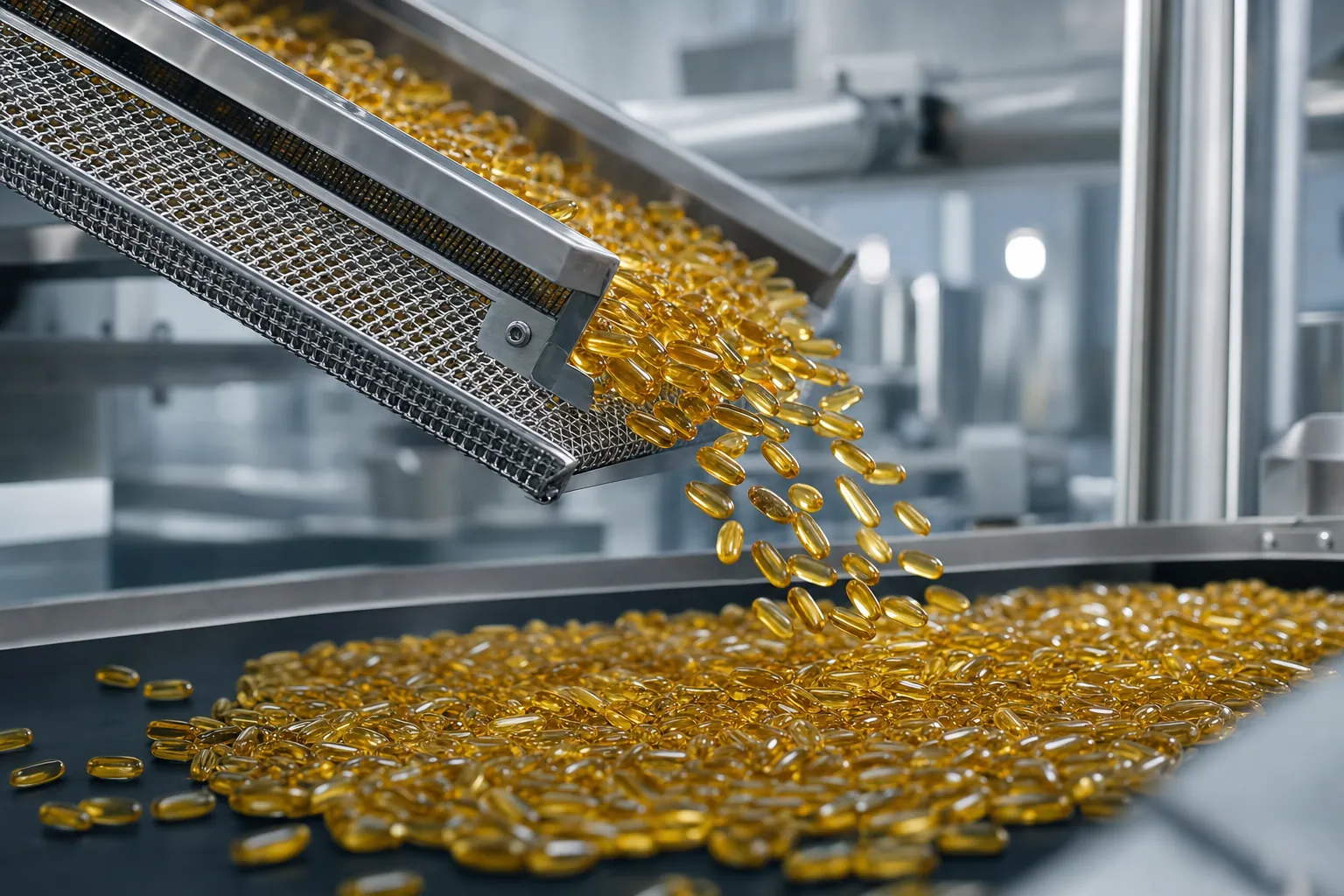
From bulk oil to finished capsule - formulation, encapsulation, and packaging coordinated for you.
Ready for market distributors
Brand distribution partnerships.
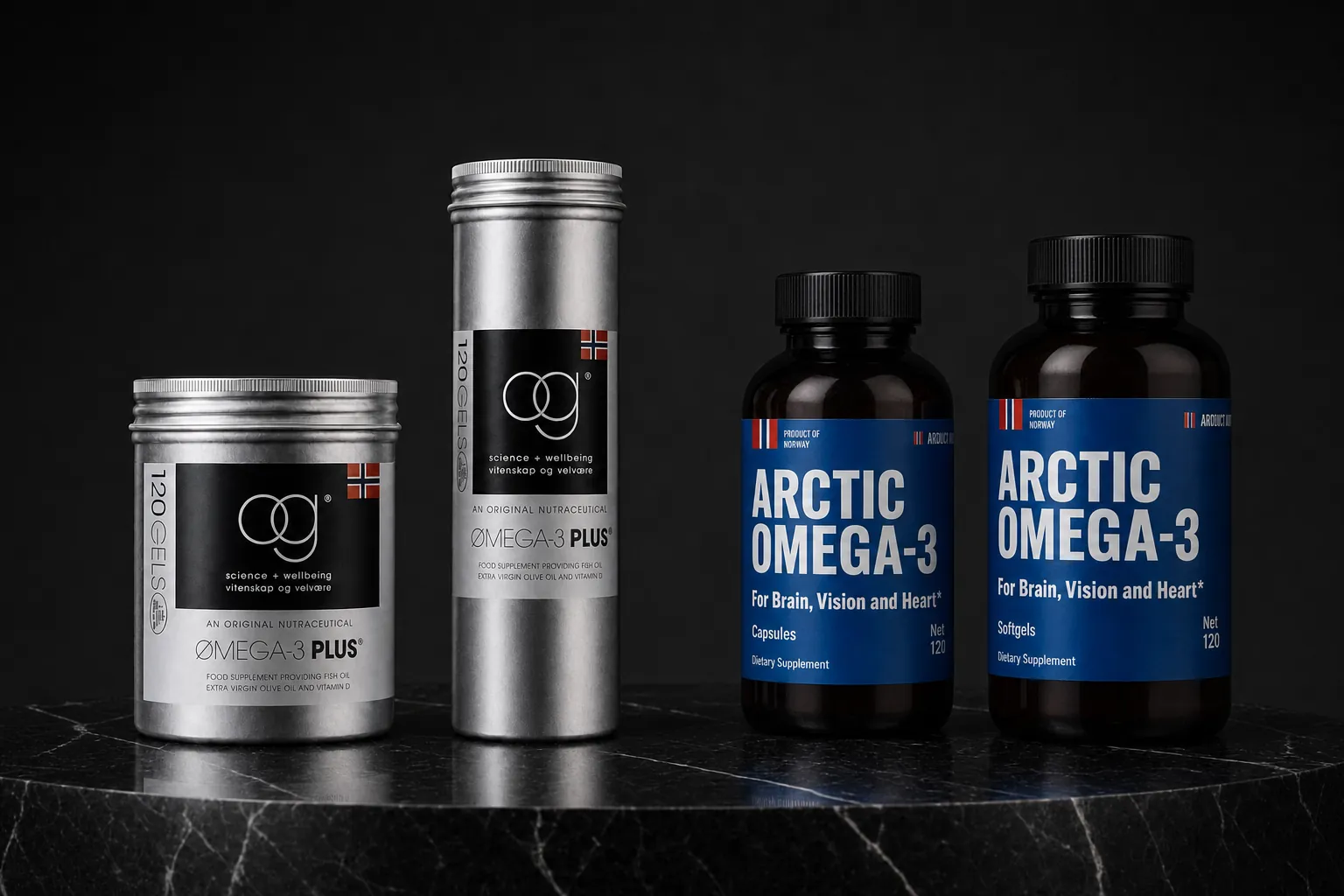
Established Norwegian supplement brands available for retail, distributor, and e-commerce partners in selected markets.
Quality is a science.
Every batch of oil is refined to its own optimal parameters — temperature, vacuum, residence time, oxygen exposure, antioxidant protection, and preservation of its natural fatty acid profile. Each batch undergoes comprehensive testing for fatty acid composition, oxidation markers, heavy metals, and other critical quality indicators, with independent verification from internationally accredited laboratories including Eurofins Scientific. The result: quality standards that consistently exceed industry benchmarks.
This process is grounded in four decades of research. Since 1986, work at UiT The Arctic University of Norway by Bjarne Østerud and Edel O. Elvevoll has documented how omega-3 fatty acids are susceptible to oxidation — both during processing and within the body — and how oxidation can generate pro-inflammatory compounds that compromise the molecule's integrity. These findings, supported by decades of peer-reviewed research, are what shape every step of our refining and testing protocols.
Read the science →
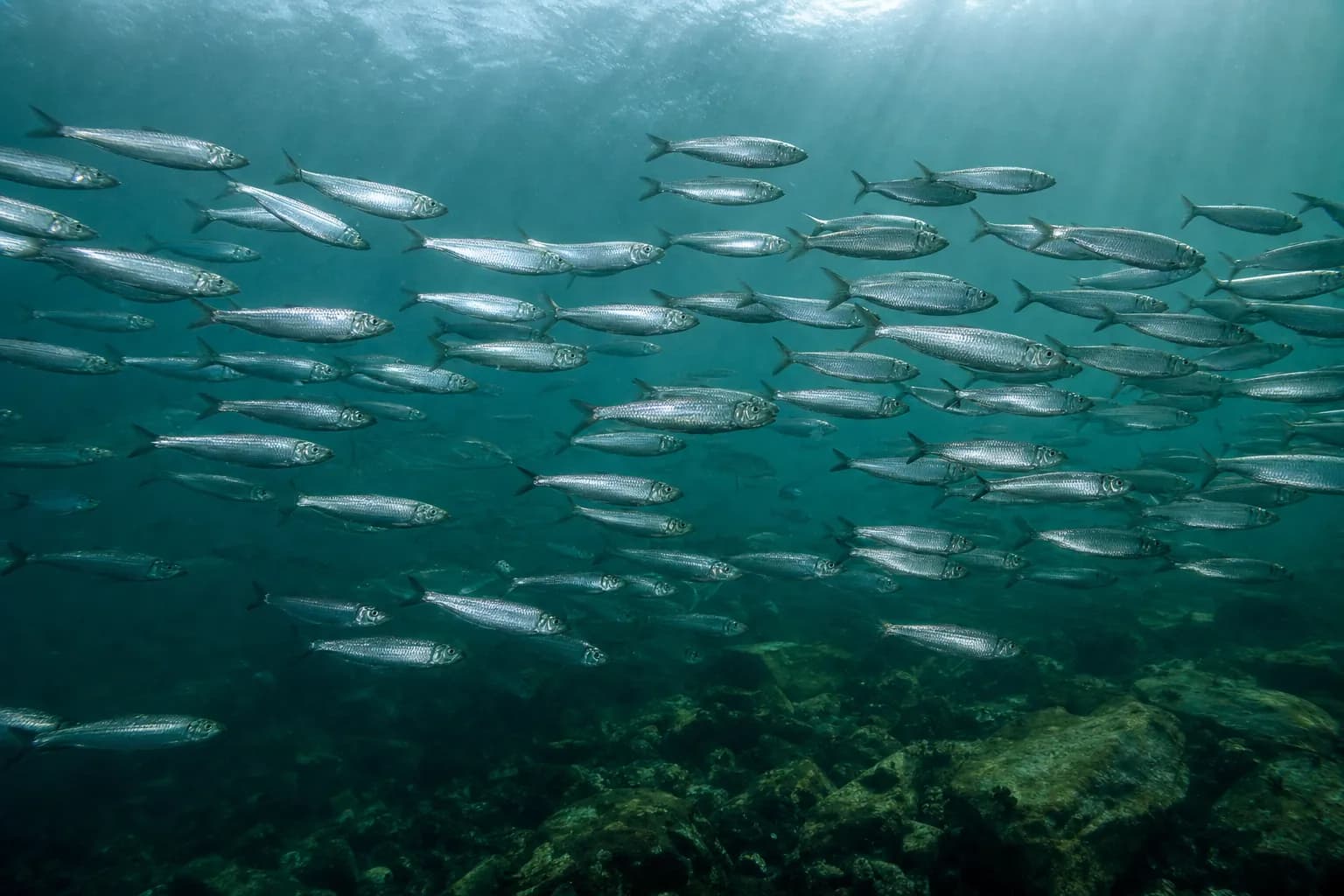
Omega-11
Omega-11. The next chapter in marine science.
Naturally rich in cetoleic acid (omega-11), Norwegian herring oil contains a unique fatty acid largely absent from most conventional fish oils, typically representing 8–14% of its fatty acid composition. Research into cetoleic acid has accelerated significantly in recent years, with independent scientists at Nofima and University of Bergen publishing important findings across 2019, 2023, 2024, and 2025. Emerging evidence suggests that cetoleic acid may influence omega-3 metabolism, lipid regulation, and cardiovascular health, making omega-11 one of the most promising areas of marine lipid science today
The results are building fast. Research into cetoleic acid is accelerating, with growing evidence of its potential role in omega-3 metabolism and lipid regulation. In cell-culture studies, cetoleic acid increased EPA and DHA biosynthesis by approximately 40%, while preclinical studies have reported improvements in cholesterol, triglycerides, and LDL levels. Although human clinical research is still emerging, these findings position omega-11 as one of the most promising new areas of marine nutrition science and a distinctive complement to traditional omega-3 formulations.
Explore the omega-11 research →